

How Long Does Invisalign Take in Lowell, MA? (2026 Guide)
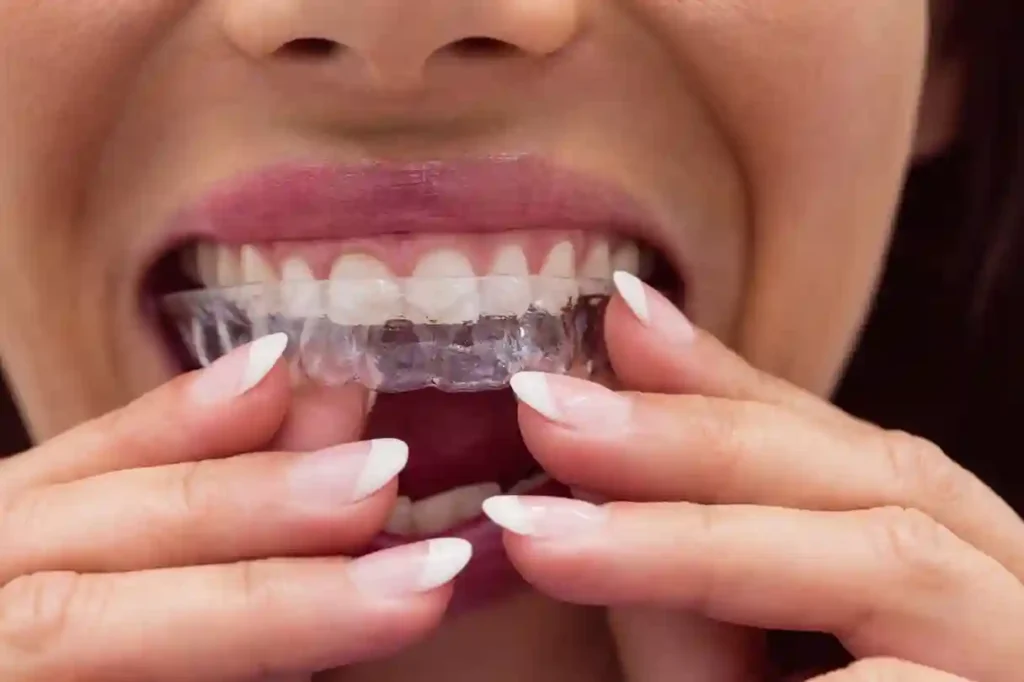
Many people want straighter teeth but do not feel comfortable wearing metal braces. Because of this, clear aligners have become a popular choice. According to open information from Wikipedia, most clear aligner treatments take about 12 to 18 months, depending on the condition of the teeth and how closely the patient follows the instructions. This shows that Invisalign is not a quick fix, but it is a steady and proven method. If you are searching for Invisalign in Lowell, you are likely wondering how long the treatment takes and what the full process looks like. This guide explains the timeline, the steps involved, and what you can expect in 2026 when starting Invisalign treatment in Lowell, MA. What Is Invisalign? Invisalign is a system that straightens teeth using clear plastic aligners instead of metal wires and brackets. Each aligner is made to fit your teeth. Over time, these aligners gently move your teeth into better positions. Unlike braces, Invisalign aligners are almost invisible. They can also be removed for eating and cleaning. This makes daily life easier and more comfortable. Many adults and teenagers prefer Invisalign because it looks simple and feels less restrictive. At Dental Quest Lowell, Invisalign is offered as a modern option for patients who want straighter teeth without changing their appearance during treatment. How the Invisalign Process Works First, it helps to understand how Invisalign treatment begins and how it moves forward. The process follows a clear plan so that your teeth move safely and steadily. At Dental Quest Lowell, each step is explained clearly so patients always know what is happening. How Long Does Invisalign Take? Now, let us talk about time. Invisalign treatment length is different for each person. Still, most cases fall into a general range. Typical timelines: However, many patients finish within 12 to 18 months. Several factors affect this timeline. These include how crowded the teeth are, how the bite fits, and how often the aligners are worn. Wearing aligners for 20 to 22 hours each day is very important. When aligners are not worn enough, progress slows down. If you are looking for Invisalign in Lowell, MA, your dentist will give you a clear estimate after checking your teeth and planning your treatment. What to Expect During Treatment At the beginning, you may feel gentle pressure when wearing a new aligner. This is normal. It shows that the aligner is working. The feeling usually fades after a short time. As weeks pass, changes become noticeable. Teeth slowly move into better positions. Your smile starts to look straighter. Regular visits help confirm that progress is happening as planned. In addition, Invisalign makes daily life easier because: For this reason, many patients find Invisalign more comfortable than traditional braces. Invisalign in 2026: What Has Improved Technology keeps improving dental care. By 2026, Invisalign treatment planning is more accurate than ever. Digital scans are faster. Aligners fit better. Results are easier to predict. Because of this, patients can expect: This makes now a good time to consider Invisalign treatment. Why Choose Dental Quest Lowell? Choosing the right dental office matters. Dental Quest Lowell focuses on clear communication and careful treatment planning. Each patient receives a plan that fits their dental needs and daily routine. Patients value their care because: As a result, patients feel confident and supported throughout their Invisalign experience. Daily Habits That Help Treatment Stay on Track Good habits make a big difference in how well Invisalign works. These small steps protect both your teeth and your aligners. If you are thinking about Invisalign and want a clear timeline, a consultation is the best place to start. A dental visit will help you understand your treatment length, costs, and goals. Contact Dental Quest Lowell today to begin your journey toward a straighter and healthier smile. Frequently Asked Questions 1. How long does Invisalign usually take? For most people, Invisalign takes about one to one and a half years. Some people finish earlier if their teeth only need small changes. Others may need more time if their case is more complex. Your dentist can give you a better idea after checking your teeth. 2. Does Invisalign hurt? Invisalign does not cause pain, but you may feel pressure when you change to a new aligner. That pressure means your teeth are moving. It is usually mild and goes away in a short time. Most people get used to it quickly. 3. Can I eat normally with Invisalign? Yes, you can eat all your regular foods. You just remove the aligners before eating. After meals, brush your teeth and place the aligners back in. This keeps both your teeth and aligners clean. 4. What if I forget to wear my aligners sometimes? If you skip wearing them, your teeth may not move as planned. This can make treatment take longer. Invisalign works best when aligners are worn most of the day. Try to wear them as close to the recommended time as possible. 5. Do I really need a retainer after Invisalign? Yes, a retainer is important. After treatment, teeth can slowly move back if they are not supported. The retainer keeps your new smile in place. Wearing it as directed helps protect your results for a long time.
Deep Cleaning vs Regular Cleaning: Which One Do You Really Need?
Good oral health depends on regular professional care. Most people know they should visit the dentist, but many are unsure about what type of cleaning they really need. When patients search for dental cleaning in Lowell, they often see two different options: regular cleaning and deep cleaning. Even though both help protect your teeth and gums, they are meant for different situations. The Centers for Disease Control and Prevention reports that almost half of adults over the age of 30 in the United States have some form of gum disease. This fact shows how common gum problems are and why dental care should never be delayed. Gum disease often starts quietly. In the early stages, it may not cause pain, so people assume everything is fine. Over time, however, the infection can damage the gums and bone that support the teeth. Because of this, knowing the difference between regular and deep cleaning helps you act before serious problems develop. At Dental Quest, patients are given clear explanations so they understand what is happening in their mouth and why a certain treatment is recommended. This guide explains both types of cleaning in simple language, without complicated dental terms, so you can make the right decision for your oral health. CTA– If you are unsure which type of cleaning is right for you, scheduling a professional dental exam can give you clear answers. What Is a Regular Dental Cleaning? A regular dental cleaning is meant to prevent problems. It removes plaque and tartar that build up on the surface of the teeth and along the gum line. Most people receive this type of cleaning every six months, although some may need it more often depending on their oral health. Plaque forms every day when bacteria mix with food particles in the mouth. If plaque is not removed, it hardens into tartar. Tartar cannot be removed with brushing alone, which is why professional cleanings are important. During a regular cleaning, the dental hygienist cleans the teeth, polishes them, and checks for early signs of cavities or gum irritation. This process keeps the mouth healthy and reduces the chance of future problems. A regular cleaning helps to: This type of cleaning is best for people who have healthy gums or only mild signs of gum irritation. If your gums do not bleed and are firm and pink, a regular cleaning is usually enough to maintain good oral health. At Dental Quest, regular cleanings are a key part of preventive care. They allow dental problems to be detected early and treated before they become serious. CTA- Booking regular appointments helps protect your smile and maintain long-term oral health. What Is a Deep Cleaning? A deep cleaning is used when gum disease is present. It is also known as scaling and root planing. Unlike a regular cleaning, it focuses on cleaning below the gum line, where bacteria and tartar collect around the roots of the teeth. When gum disease develops, spaces form between the teeth and gums. These spaces are called pockets. Bacteria grow inside these pockets and cause infection. Over time, this infection damages the gum tissue and the bone that holds the teeth in place. Deep cleaning removes the bacteria from these pockets and smooths the root surfaces. This helps the gums heal and reattach to the teeth. For many patients, deep cleaning is an essential treatment for bad gum disease. Deep cleaning is often recommended when: Because deep cleaning works below the gum line, local anesthesia is often used to keep the patient comfortable. The Difference Between Regular and Deep Cleaning The main difference lies in their purpose. A regular cleaning is for prevention. It helps stop problems before they start. A deep cleaning is for treatment. It helps control infection and prevent gum disease from getting worse. Regular cleaning works on the surface of the teeth. Deep cleaning works below the gums. Your dentist decides which one you need after examining your gums, measuring pocket depth, and reviewing your dental history. This careful evaluation ensures that you receive the correct care. Signs That You May Need a Deep Cleaning Gum disease does not always cause pain in the beginning. Because of this, many people do not realize they have a problem until it becomes more advanced. Still, some warning signs should never be ignored. You may need a deep cleaning if you notice: When these symptoms appear, deep cleaning becomes an important treatment for bad gum disease. Without treatment, the infection can spread and cause permanent damage. Why Deep Cleaning Is Important Gum disease starts when bacteria settle under the gums. Over time, these bacteria damage the tissues and bone that support the teeth. If nothing is done, teeth can become loose and may eventually be lost. Deep cleaning helps by: After a deep cleaning, patients are usually advised to return for follow-up visits. These visits help ensure that healing is progressing and that the infection does not return. Dental Quest focuses on careful treatment and clear communication so patients understand every step of the process. CTA– Speaking with a dental professional can help you understand your treatment options and plan the next steps. What to Expect After Each Type of Cleaning After a regular cleaning, your mouth usually feels clean and refreshed. Most people return to their normal routine right away. Mild sensitivity may occur, but it usually goes away quickly. After a deep cleaning, the gums may feel sore for a few days. Some swelling or tenderness is normal. Your dentist may suggest gentle brushing, warm saltwater rinses, or special mouthwash to help with healing. In both cases, home care plays a major role in keeping the results long-lasting. How to Care for Your Teeth at Home Professional dental care works best when combined with good daily habits. Therefore, it is important to take care of your teeth and gums every day. You should: These steps help reduce bacteria and protect your gums between appointments. Dental Cleaning Lowell: Choosing
How to Choose the Best Cosmetic Dentist for Veneers in MA?

When you think about veneers, most people picture a better-looking smile. But there’s more to it than that. Veneers also shield your real teeth and keep your mouth healthy down the road. They fix stains, chips, gaps, and uneven teeth. Cosmetic dentistry veneers are often chosen for both appearance and protection. The catch? You need a dentist who really knows their stuff to plan everything right and put them in correctly. So let’s talk about how to find that dentist in Massachusetts when considering cosmetic dentistry veneers. Why Your Dentist’s Pick Really Matters Here’s what the American Dental Association says: cosmetic dental work needs solid planning. Skip that step, and you could end up with permanent damage to your enamel and gums. When veneers treatment goes wrong, you’re stuck with sensitive teeth, irritated gums, and bite problems that stick around. Plus, once veneers are on, there’s no going back. That’s why getting the right dentist from the start matters so much. What Are Veneers, Anyway? Before you start hunting for a dentist, get clear on what veneers actually are. Think of them as thin shells that stick to the front of your teeth. Dentists make them from porcelain or composite materials. Each one has different perks. A dentist who knows what they’re doing will check your teeth, look at your gums, and see how your bite lines up before jumping to cosmetic veneers. They won’t push the same solution on everybody, especially when recommending cosmetic veneers. Make Sure They Have the Right Credentials In Massachusetts, dentists need a state license to work legally. So first thing, check that your dentist has an active license from Massachusetts. Then look for extra training in cosmetic work. Now, cosmetic dentistry isn’t its own speciality officially, but extra courses show the dentist cares about getting better at their craft. When you’re checking out places like Dental Quest Lowell, you should see clear info about qualifications, schooling, and how many years they’ve been at it. Experience with Veneers Counts Not all dentists do veneers day in and day out. Experience matters big time when you’re doing something permanent to your teeth. Think about these things: A dentist who’s placed tons of veneers will care about balance, getting your tooth color matched right, and making your bite comfortable. Looks aren’t the only thing on their mind when working with cosmetic teeth veneers. Comfort and durability matter just as much with cosmetic teeth veneers. Check Out Their Past Work Good cosmetic dentists keep photos from their previous cases. The lighting should stay consistent, the angles need to be clear, and the results should look real. When you’re scrolling through these photos, look for: Dental Quest Lowell puts out information about what they do with cosmetics, which gives you a sense of what you’ll get before starting anything. Ask What Materials They Use Your veneers’ quality comes down to the materials and the lab making them. A dentist you can count on will tell you where veneers come from and what goes into them. Things to ask: Dentists offering veneers should be straight with you about this stuff because it changes how long they last and how they look. Your First Appointment Shouldn’t Feel Rushed A real veneer consultation takes time. It should cover:A thorough look at your whole mouthA chat about what you’re hoping forOther options if veneers aren’t the right fit When veneers treatment is planned properly, veneers boost your smile without messing up your dental health. Get Clear on Costs and Upkeep Veneers aren’t cheap, so you need straight talk about prices and what comes later. Your dentist should spell out what’s in the price they give you and what care you’ll need going forward. Make sure you know: What does the whole treatment costsHow many years do veneers typically lastWhat maintenance looks like and when to come back Dental Quest Lowell lays out treatment plans clearly so you can decide without anyone breathing down your neck. Red Flags to Avoid Watch out if you see: No Massachusetts dental license you can verifyZero examples of cosmetic work they’ve doneBig promises about instant results that sound too good to be trueNobody is talking about risks or other ways to fix your teeth Pick the wrong person, and you’ll pay more later to undo the damage. Wrapping Up Finding a dentist for veneers in Massachusetts takes some digging, patience, and good questions. Experience, honesty, and smart planning beat quick deals and rock-bottom prices every time. Looking for veneer work? Find a place that puts your mouth’s health first, thinks long-term, and keeps communication real. Dental Quest Lowell works with a patient-first mindset that backs up thoughtful planning and safe cosmetic treatment. Questions People Usually Ask 1. How long do veneers last? Porcelain veneers usually last 10 to 15 years with proper care, such as brushing, flossing, and regular dental visits. Composite veneers tend to last for a shorter time and may need repairs sooner. Teeth grinding or biting hard objects can reduce their lifespan. 2 Does getting veneers hurt? The procedure does not hurt because dentists use local anaesthesia. Some mild sensitivity may appear for a few days after treatment, but it usually fades within a week. 3 Can anybody get veneers? Not everyone is a suitable candidate right away. Teeth and gums must be healthy first. Problems like gum disease, decay, or heavy grinding need treatment before veneers are considered. 4 Do veneers need special care? Veneers do not need special care beyond normal oral hygiene. Brush and floss daily, visit your dentist regularly, and avoid biting hard items. Mouthguards are advised for sports or teeth grinding. 5 What’s different between porcelain and composite veneers? Porcelain veneers are stronger, more stain-resistant, and look more natural, but they cost more and need at least two visits. Composite veneers are more affordable and quicker to place, but do not last as long.
Deep Cleaning Explained: Process, Benefits & Recovery Tips
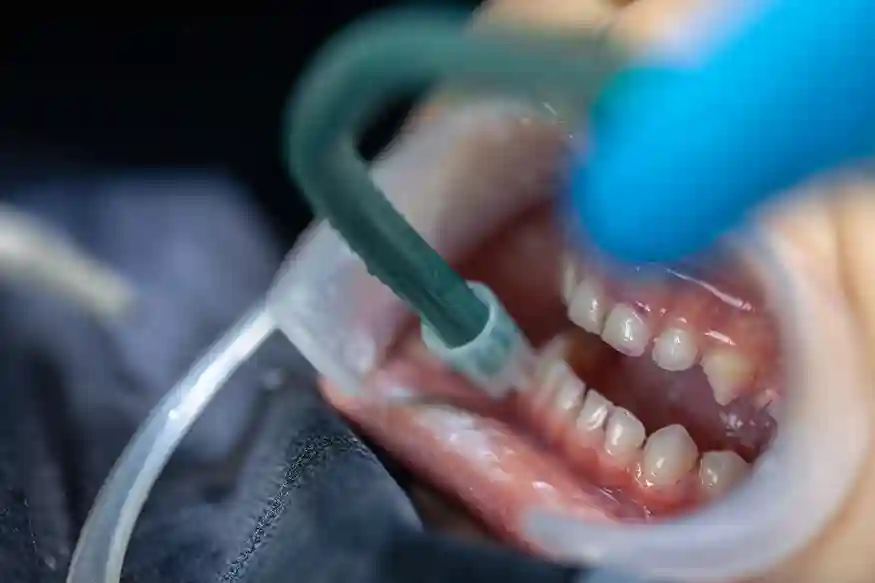
If your dentist has told you that you need a “deep cleaning,” it is normal to feel a bit worried. Is it different from a regular hygiene teeth cleaning? Is it painful? How long does it take to recover? Deep cleaning is actually a very common treatment to help stop gum disease and protect your teeth. According to the Centers for Disease Control and Prevention (CDC), more than 42% of adults over 30 have some form of gum disease. You can read more about this on the CDC website: At Dental Quest in Lowell, MA, the goal is to keep your smile healthy with gentle, modern care. Whether you come in for a routine dental cleaning in Lowell or a deeper treatment, your comfort and understanding should come first. What is a deep cleaning? A deep cleaning is a special type of cleaning that focuses on the areas below your gumline. Your hygiene treatment dentist may call it “scaling and root planing.” In a regular hygiene teeth cleaning, plaque and tartar are removed from the visible parts of your teeth above the gums. In a deep cleaning, the dentist or hygienist goes deeper because bacteria have already moved under the gums and started to affect the bone and tissues that hold your teeth. The American Dental Association (ADA) explains that scaling and root planing is a deep cleanings below the gumline used to treat gum disease.You can see their patient explanation here: So, in simple terms: Why would your dentist suggest a deep cleaning? Your dentist does not recommend a deep cleaning for everyone. It is usually suggested when there are clear signs of gum disease, such as: When gum disease is not treated, it can lead to bone loss around your teeth and, over time, loose teeth or even tooth loss. Studies show that about 4 out of 10 adults 30 or older have some level of periodontitis, which is a more serious stage of gum disease. A deep cleaning helps remove the bacteria and tartar under the gums, so the gums can start to heal and tighten back around your teeth. Deep cleaning vs regular hygiene teeth cleaning You might think, “But I already go for cleanings twice a year. Why do I need more?” Here is the simple difference. Regular teeth cleaning: Deep cleaning: Think of a regular cleaning like a light weekly house cleaning. A deep cleaning is like a once-in-a-while heavy clean when dirt has been sitting for a long time in hidden places. What happens during a deep cleaning? When you come in for a deep cleaning, here is what usually happens: 1. Numbing the area First, the dentist or hygienist numbs the area they will treat with local anesthesia. This helps you stay comfortable and feel very little during the procedure. 2. Scaling below the gums Next, they use special tools to remove plaque and tartar from under the gumline. This step is called scaling. The goal is to clean out the pockets around your teeth where bacteria are trapped. 3. Root planing to smooth the roots Then, they smooth the root surfaces of your teeth. This is called root planing. Cleveland Clinic explains that root planing helps prevent further buildup of tartar and bacteria and allows your gums to reattach more firmly to your teeth.You can read their overview here: 4. Done in sections of your mouth Because this is a very detailed cleaning, it is often done in sections. Many times, your hygiene treatment dentist will treat one side of your mouth at a time, or upper teeth in one visit and lower teeth in another. This makes it easier on you and gives each area time to heal. How deep cleaning helps your oral health Deep cleaning is not just about cleaner teeth. It helps protect your long-term oral health by: Because gum disease is so common in adults, deep cleaning is often the first step to avoid more serious treatments later, like extractions or implants. Frequently Asked Questions 1. Does a deep cleaning hurt? Most people feel more pressure than pain during a deep cleaning because the area is numbed. You may feel a bit sore or sensitive once the numbness wears off, but this usually lasts only a couple of days. A soft toothbrush, careful brushing, and a simple pain reliever (if your dentist says it is okay) are usually enough. 2. How long does a deep cleaning take? A deep cleaning takes longer than a regular hygiene teeth cleaning because the dentist cleans below the gums and smooths the roots. Often: The exact time depends on how much tartar and how many deep pockets you have. 3. Will my gums go back to normal after a deep cleaning? In many cases, yes. Once the tartar and bacteria are removed, your gums can slowly heal and fit more tightly around your teeth again. You may notice: However, you still need good home care and regular check-ups to keep your gums healthy. 4. How do I care for my teeth after the treatment? After a deep cleaning: These simple steps help your gums heal and keep the results of your deep cleaning for a longer time. 5. How do I know if I need a deep cleaning instead of a regular cleaning? You might need a deep cleaning if: Your hygiene treatment dentist will check your gums, measure pocket depths, and look at any X-rays. Then they will tell you if a regular hygiene teeth cleaning is enough or if a deep cleaning is the proper treatment.
Dental Crown vs. Filling: How to Know Which Treatment You Need
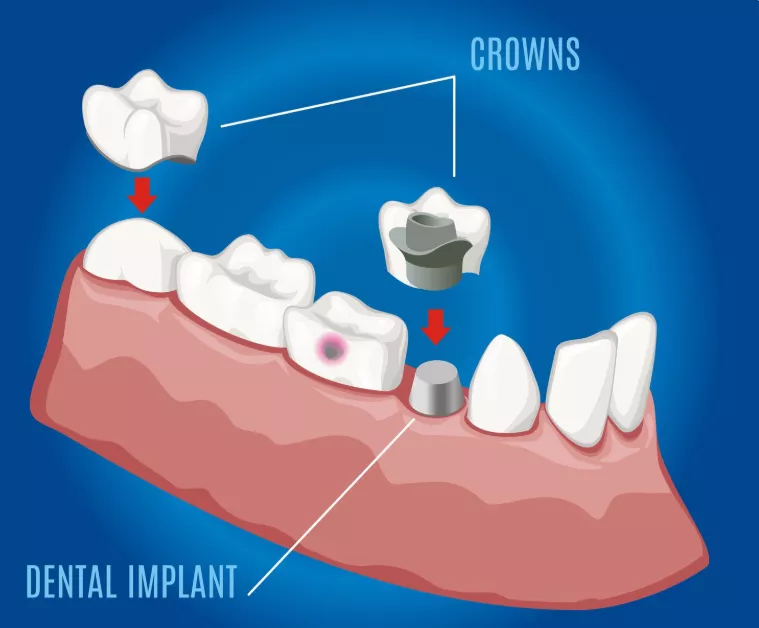
Our teeth help us every day when we talk, chew, and smile. Over time, they can get worn down, damaged, or affected by decay. When this happens, a dentist will recommend a treatment to restore the tooth. Most commonly, the options are either a dental filling or a dental crown. Many people feel unsure about which one they actually need and why one option is better than the other. Did you know? According to the World Health Organization (WHO), dental cavities are one of the most common health conditions worldwide. This means that almost everyone deals with tooth decay at some point. So if you are looking for a dental crown doctor in Massachusetts, you are definitely not alone. Understanding the difference between a crown and a filling can help you feel more confident when discussing your treatment options with your dentist. Why Treating Tooth Damage Matters? A tooth does not heal by itself once it has decay or structural damage. If the problem is ignored, the decay can get deeper and spread. This may lead to: Your dentist’s main goal is to protect your natural tooth for as long as possible. The earlier the problem is treated, the simpler the treatment tends to be. What Is a Dental Filling? A dental filling is a common treatment used when the cavity or damage is small and limited. During this procedure, the dentist removes the decayed part of the tooth and then fills the space with a tooth-colored material. This restores the tooth so it can function normally. A filling is usually recommended when: Fillings help stop decay from spreading and keep the tooth safe. The procedure is usually quick and can often be completed in one appointment. However, fillings do not add extra strength to a tooth. They simply repair the damaged part. If the tooth is already weak, a filling may not be enough to support it long term. What Is a Dental Crown?A dental crown is used for teeth that are weakened or have a larger amount of damage. While a filling repairs just a small portion, a crown covers the entire visible surface of the tooth. This keeps the tooth protected and supported. A dental crown may be needed if: If you are located in the area, a dental crown specialist in Lowell can assess whether the tooth has enough strength left for a filling or if a crown is the safer option. Crowns are custom-made to match your bite and look natural. They are designed to restore chewing strength and prevent the tooth from breaking in the future. Which One Do You Need? The main difference between the two treatments comes down to how much healthy tooth remains. A filling works best when: A dental crown may be needed when: A dentist will check how much of your natural tooth is still strong. If the tooth is too weak for a filling, placing one may cause the tooth to break later. In those cases, a crown is the better long-term choice. Simple Comparison Table Treatment Best For Area Covered Strength Added Procedure Time Filling Small to medium cavities Only the damaged area Does not add extra strength Usually one visit Crown Large decay or weak teeth Entire tooth surface Strengthens and protects the tooth Usually two visits Real Examples to Understand the Difference Example 1: A patient visited during a routine check-up, and the dentist found a small cavity. The patient did not feel pain yet. Since the tooth was still strong, a filling was enough to stop the decay and restore the tooth. Example 2: Another patient ignored discomfort for months. The cavity grew deeper, and part of the tooth chipped while eating. At this point, the tooth was too weak for a filling. A dental crown was recommended to prevent the tooth from breaking further. The crown restored strength and allowed the patient to chew comfortably again. These examples show how early treatment can help avoid more extensive work later. Why Choosing the Right Dentist Matters (dental crown doctor in Massachusetts) The success of both fillings and crowns depends on the dentist’s evaluation and technique. The dentist needs to examine the tooth carefully and decide what is strong enough to last. At a trusted dental crown doctor in Massachusetts, like DentalQuest Lowell, you can expect: You should always feel like you understand why a treatment is being recommended, not just hear the name of a procedure. Your Smile Matters Whether you need a filling or a crown, the goal is always to protect your natural tooth and keep your smile healthy. By understanding the difference, you can make decisions that feel comfortable and informed. If you are searching for a caring and experienced dental crown doctor in Massachusetts, you can receive guidance that puts your comfort and dental health first. Taking action early keeps your teeth strong and avoids bigger issues later. Your smile is worth the care. Frequently Asked Questions 1. Is a crown always better than a filling?No. A crown is only needed when the tooth is too weak or damaged for a filling. 2. Does a crown procedure hurt?No. The area is numbed, so you remain comfortable during the procedure. 3. How long does a dental crown last?With normal care, crowns can often last 10–15 years or longer. 4. Can a filling be changed to a crown later? Yes. If the tooth becomes weaker over time, a crown can be placed later. 5. How do I know which one is right for me? Your dentist will check the tooth strength, not just the cavity size, to determine the right option.
Best Dental Crown Brands Recommended by Top Dentists
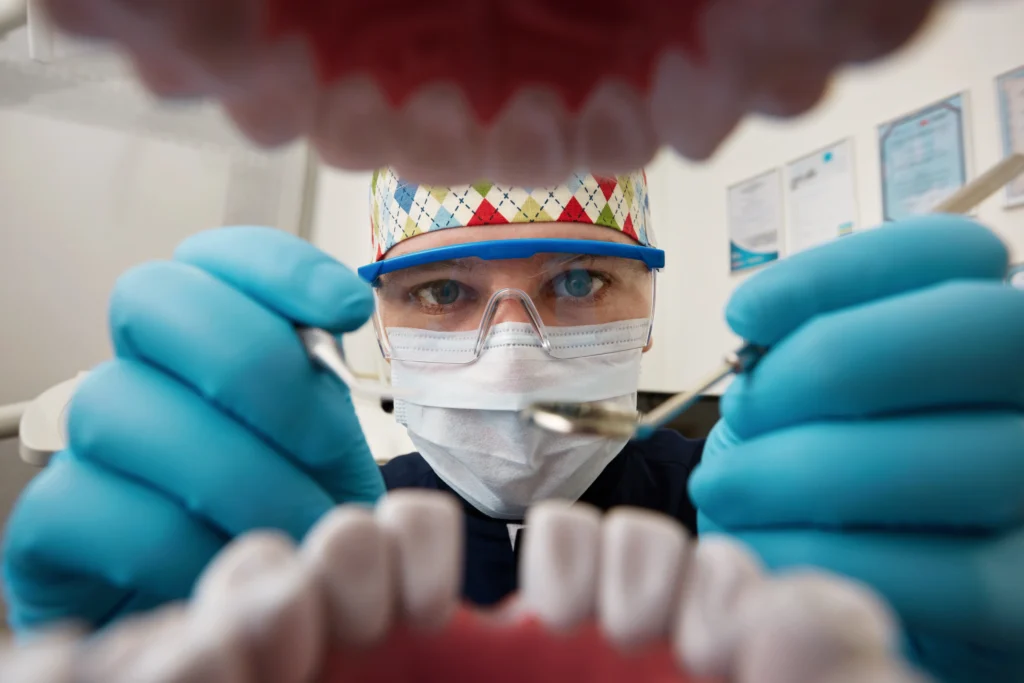
When it comes to restoring your smile with dental crowns, the quality of materials and brands used can make all the difference in your treatment outcome. At Dental Quest Lowell, we understand that choosing the right dental crown involves not just selecting the type of material, but also trusting in proven, high-quality brands that deliver long-lasting results. If you’re considering dental crowns in Lowell, MA, this comprehensive guide will help you understand which crown brands leading dentists recommend and why they stand out in modern restorative dentistry. Why Crown Brand Matters? While many patients focus solely on crown materials (porcelain, zirconia, metal, etc.), the manufacturing brand plays a crucial role in determining: Leading dental laboratories and manufacturers invest heavily in research, innovation, and quality control to ensure their crowns meet the highest standards of dental care. Top Dental Crown Brands Trusted by Dentists 1. IPS e.max® (Ivoclar Vivadent) IPS e.max is one of the most popular ceramic crown brands, renowned for combining exceptional strength with lifelike translucency. This lithium disilicate ceramic system has become the gold standard for all-ceramic restorations. Key Features: Best For: Front teeth where aesthetics are paramount, though strong enough for most posterior teeth Why Dentists Recommend It: E.max crowns offer an ideal balance of beauty and strength, with excellent long-term clinical success rates. 2. BruxZir® (Glidewell Laboratories) BruxZir has been providing permanent solutions in dental treatments since 2009, known for exceptional durability, performance, and aesthetic appearance. Made from solid zirconia, BruxZir crowns are among the strongest available. Key Features: Best For: Back molars and patients with heavy bite force or grinding habits Why Dentists Recommend It: BruxZir Zirconia is exceptionally strong, making it perfect for molars and high-bite-pressure areas. 3. VITA® Dental Crowns VITA is a globally recognized German manufacturer known for precision dental materials and exceptional color-matching systems. Key Features: Best For: Patients seeking natural aesthetics with proven reliability Why Dentists Recommend It: VITA’s decades of research and development have made them a trusted name in dental ceramics worldwide. 4. 3M Lava™ Crowns Lava dental crowns are a special product combining zirconium and ceramic, where zirconium durability and ceramic aesthetics come together to perfectly repair damaged teeth. Key Features: Best For: Patients needing both strength and aesthetics, particularly those with metal sensitivities Why Dentists Recommend It: The combination of materials provides versatility for various clinical situations. 5. Katana™ Zirconia (Kuraray Noritake) Katana and high-translucency options are ideal for visible areas due to their natural appearance. This Japanese brand has gained worldwide recognition for advanced zirconia technology. Key Features: Best For: Front teeth requiring maximum aesthetics without compromising strength Why Dentists Recommend It: Katana offers some of the most natural-looking zirconia crowns available today. 6. Nobel Biocare Crowns Nobel Biocare produces crowns offering aesthetically and functionally innovative solutions. As a pioneer in dental implant technology, Nobel Biocare also excels in crown manufacturing. Key Features: Best For: Implant crowns and patients seeking premium quality restorations Why Dentists Recommend It: Nobel Biocare’s reputation for innovation and clinical excellence makes them a trusted choice. 7. Cercon® (Dentsply Sirona) Cercon smart ceramic zirconia crowns offer advanced engineering from one of dentistry’s most established manufacturers. Key Features: Best For: Both anterior and posterior restorations requiring dependable performance Why Dentists Recommend It: Dentsply Sirona’s extensive research and development ensure consistent quality. 8. VITA YZ® (VITA Zahnfabrik) VITA YZ is among the top zirconia brands trusted by dentists and patients for superior quality and performance. Key Features: Best For: Comprehensive restorative cases requiring consistent quality across multiple units Why Dentists Recommend It: VITA’s integration of materials and shade systems simplifies the restoration process. 9. IPS e.max® ZirCAD IPS e.max ZirCAD is renowned for its combination of strength and lifelike translucency, making it versatile for various dental restorations. Key Features: Best For: Patients wanting zirconia strength without sacrificing aesthetics Why Dentists Recommend It: Combines Ivoclar’s e.max reputation with advanced zirconia technology. Factors Influencing Crown Brand Selection At Dental Quest Lowell, our experienced dentists consider several factors when recommending a crown brand: 1. Location of the Tooth 2. Patient’s Bite Force 3. Aesthetic Requirements 4. Budget Considerations 5. Allergy Concerns 6. Existing Dental Work Crown Materials vs. Crown Brands: Understanding the Difference Many patients ask about “porcelain crowns” or “zirconia crowns,” but the brand manufacturing these materials matters significantly. Think of it like choosing a car: you might want an SUV (the type), but the manufacturer (Toyota, Honda, Ford) determines quality, reliability, and performance. Common Crown Materials Include: The brand determines the specific formulation, manufacturing process, and quality control standards applied to these materials. What to Expect: The Crown Process at Dental Quest Lowell Step 1: Consultation and Assessment Our dentists examine your tooth and discuss your needs, preferences, and budget to recommend the most appropriate crown brand and material. Step 2: Digital Imaging and Preparation We use advanced digital technology to create precise impressions, ensuring your crown fits perfectly. Step 3: Crown Fabrication Your crown is crafted using your chosen brand’s materials, either in-office with CEREC technology or at a specialized dental laboratory. Step 4: Placement and Adjustment Once your crown is ready, we ensure proper fit, bite, and aesthetics before permanent cementation. Caring for Your Crown: Making It Last Regardless of which premium brand you choose, proper care ensures maximum longevity: Daily Care: Professional Care: Lifestyle Considerations: How Long Do These Crowns Last? With proper care, crowns from these leading brands typically last: Factors affecting longevity include oral hygiene, bite force, grinding habits, and regular dental care. Same-Day Crowns vs. Laboratory Crowns Many of these premium brands are available through both traditional laboratory fabrication and same-day CEREC technology: CEREC Same-Day Crowns: Laboratory Crowns: At Dental Quest Lowell, we offer both options to suit your schedule and preferences. Why Choose Dental Quest Lowell for Your Crown Treatment? Located in Lowell, MA, Dental Quest Lowell combines advanced technology with experienced professionals who stay current with the latest developments in crown materials and techniques. Our Commitment Includes: The Bottom Line: Trust the Dentist, Not Just
How Gum Disease Affects Your Overall Health
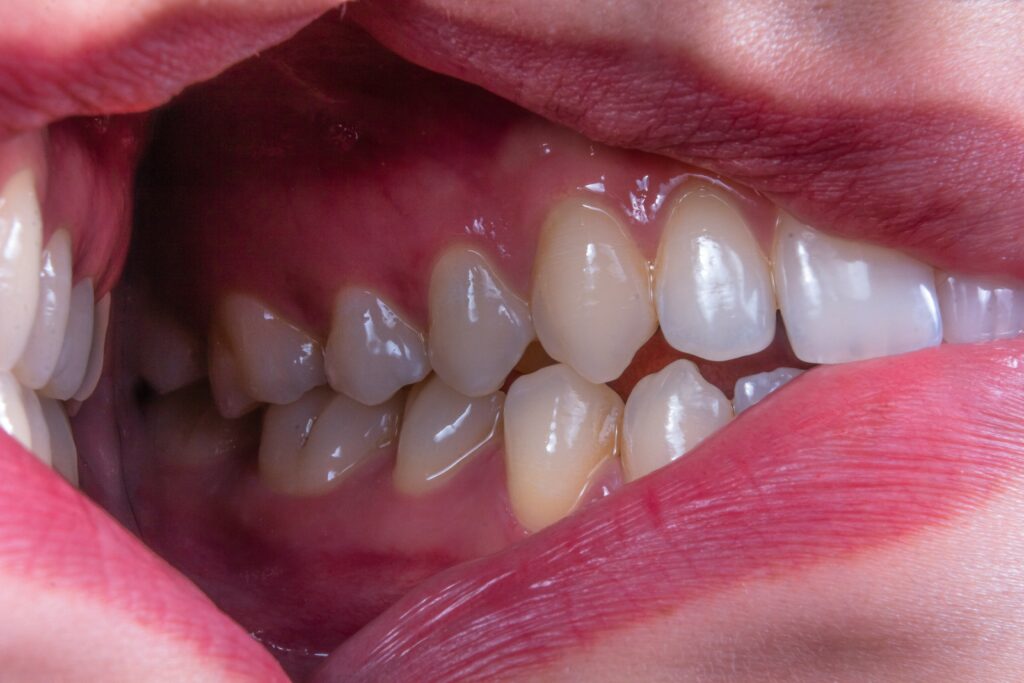
Gum disease doesn’t just damage your smile — it affects your entire body. From heart health to blood sugar levels, untreated gum infection spreads silently. Professional teeth gum treatment at Lowell Dental helps protect both oral and systemic health.
When Tooth Pain Means an Infection — How Insurance Can Help
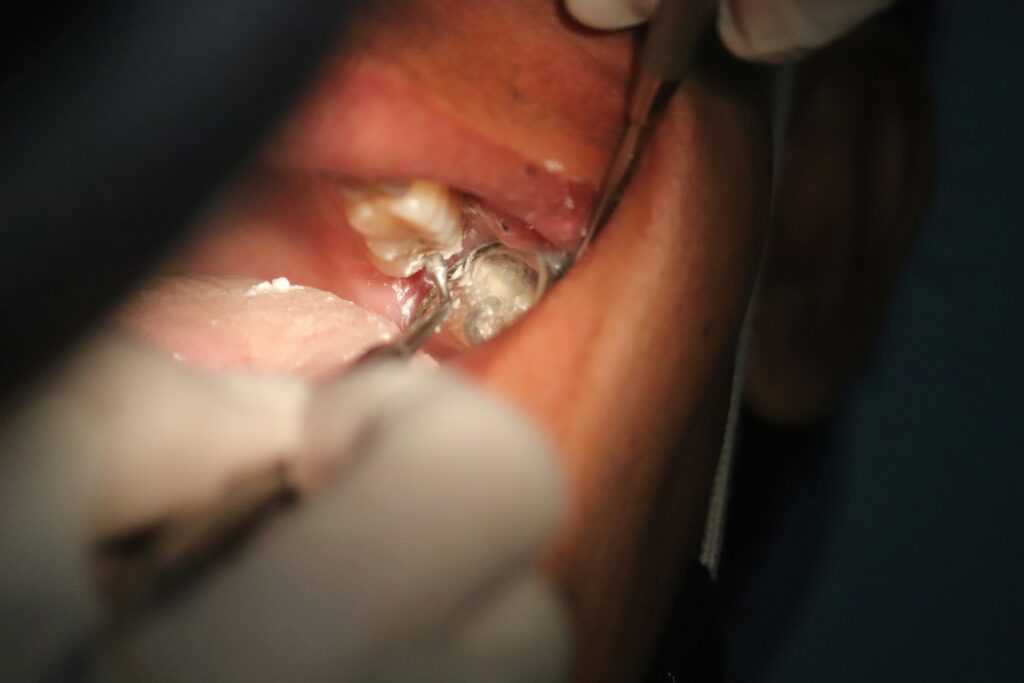
Tooth pain might mean an infection that needs urgent care. At Dental Quest Lowell, we treat tooth infections fast and help you use MassHealth, DentaQuest, or BeneCare to make it affordable.
Teeth Whitening Dental Treatment vs DIY Whitening Methods

Choosing between DIY whitening kits and professional teeth whitening? DIY options are cheaper but often uneven and temporary. At Dental Quest Lowell, professional whitening delivers faster, safer, and longer-lasting results—giving you a radiant, confident smile in just one visit.
How Long Does Invisalign Take? Realistic Timeline & What to Expect
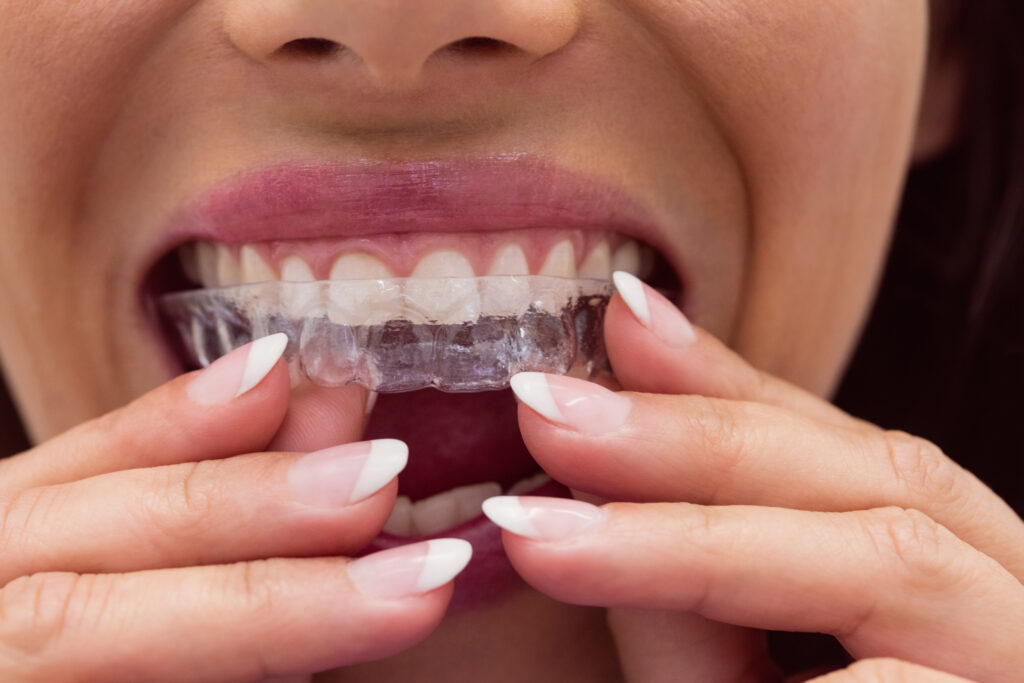
Wondering how long Invisalign takes? At Dental Quest Lowell, most treatments last 12–18 months. Learn what affects your timeline and how our expert team guides you to a straighter, confident smile.