

Everyone wonders how often it is that they should visit their dentist. However, the answer is much easier than anyone thinks, though it may vary depending on the individual case. The simple answer to the question of “how often should you go to the dentist” is twice a year for most healthy patients, but there may be individual risks that will determine the frequency of your visits.
At Dental Quest Lowell, our team has had many years of experience working with families and helping them develop good habits that they can take care of their teeth. Our site provides all of the information about the services we provide, ranging from regular cleanings to smile transformations, so that you always know what to expect from us before you make an appointment.

How Often Should You Go To the Dentist?
For those patients who have healthy gums and no particular dental background, a twice-a-year dentist visit is considered a universal recommendation. This frequency of dental examinations allows dentists to discover any problems that you might have in the future, be it some sort of decay or gum inflammation. Also, the regular visits will help to reduce plaque and tartar buildup to a minimum in order to avoid serious complications because brushing alone cannot do the job.
Not Sure How Often You Should See a Dentist?
Everyone’s mouth is different, and so is your ideal schedule. Get a straightforward check-up plan from Dental Quest Lowell, no guesswork, no pressure.
Book My Check-Up Today MassHealth, Medicaid & major insurance acceptedHowever, it should be mentioned that not all patients fit into the six-month interval perfectly well. For example, those who have a history of tooth decay, gum disease, or even dry mouth can see a dentist once every three to four months. The same can be said about children, pregnant women, smokers, and people with diabetes, whose oral health is changing much faster than that of an average person. A dentist who has experience in dealing with your particular dental history will suggest what you really need.
Which Elements Determine Your Optimal Dental Examination Plan?
It goes without saying that your ideal dental exam schedule cannot be determined by time alone; there are many factors at play here. For instance, age will matter, because young kids and seniors have different issues to worry about, from new teeth to eroded enamel and gum recession. Of course, your lifestyle choices are equally important, from how frequently you smoke and eat sweets to whether you floss between checkups.
Your medical history will certainly make the difference, too; people don’t realize that diseases such as diabetes, heart conditions, or pregnancy can affect their gums and thus require extra care. Genetics cannot be ignored either; while everyone else can follow all the rules and not have any problems with their teeth, some individuals are more susceptible to plaque and enamel damage despite everything they do. That’s why getting a dental check-up in Lowell is highly recommended for the maintenance of your teeth.
Why is Preventive Dentistry in Lowell Such an Important Thing?
Preventive dental care in Lowell works in one way only: it’s much easier and more cost-effective to prevent problems than fix something once it becomes more serious. While a minor cavity discovered during a check-up can usually be dealt with quickly and easily in one visit, a cavity gone unnoticed will eventually require a root canal treatment or an extraction further on.
Not only does prevention provide you with an opportunity to avoid complications and unnecessary treatments, but it also helps you establish a connection with your dental team that makes every following visit much more comfortable. The fact is that people in Lowell who come regularly for their dental check-ups are generally less nervous about visiting the dentist because they know what to expect from the procedure and feel more comfortable in the hands of their dental team.
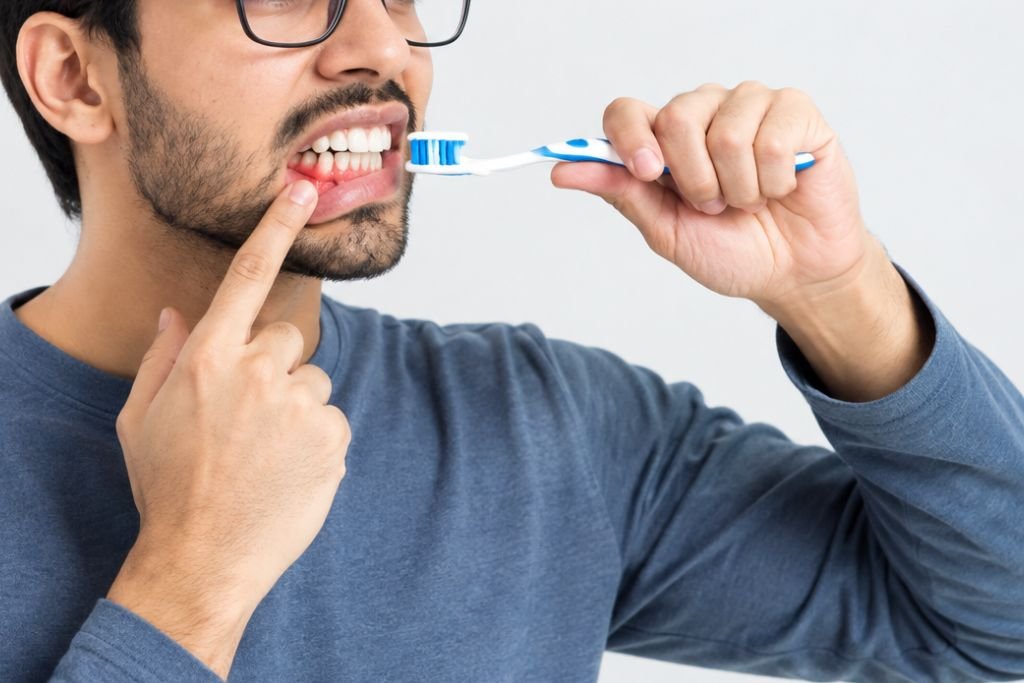
Signs Your Mouth Might Be Telling You Something
At times, your body will give little hints even before a problem fully develops. If your gums start bleeding after you brush your teeth, your tooth becomes sensitive to cold water, or you have a bad taste in your mouth, then it is important that you pay heed to them instead of dismissing them as usual.
These symptoms may not indicate anything serious, but it is advisable for a professional to examine them anyway. Identifying a problem in its early stages would definitely save you from more trouble as well as cost you less than when you neglect it.
The True Price of Missing Appointments
Most people do not think twice about missing their appointment at the dentist because they are too busy, or they simply cannot afford to go. However, the trouble is that the little things tend to accumulate, and what began as just a tiny cavity turns into a condition requiring a root canal or even an extraction.
Even apart from pain and discomfort, it is much more expensive to treat such problems than it would be to prevent them through regular visits. Thus, missing appointments seems like a good choice right now but turns out to be costly later on.
The Truth About a Routine Visit to the Dentist
When visiting a dentist’s office, people may get anxious if they are unfamiliar with what they can expect from their appointment, especially if it has been some time since their last visit. However, a routine trip to the dentist is normally a smooth and easy experience that begins with a discussion of your oral health.
Next, a dental hygienist cleans your teeth, while the dentist studies X-rays and looks for possible symptoms. Overall, the procedure is rather simple and is much easier than it might seem after going through the process several times.
Impact of Aging and Life Alterations on Your Regular Dental Schedule
While your dental requirements when you are twenty may be very different from those when you are forty or sixty, the chances are that your lifestyle remains more or less the same throughout. Factors such as hormonal fluctuations while you are pregnant, aging-related changes in the medications you take, or perhaps a job-related increase in stress levels can all impact your gums and teeth without being readily apparent to you.
It is for this reason that a routine that has served you well for years could suddenly require some changes without any prior warning. Consulting your dentist while you experience any life-changing events can help you avoid this issue much more easily than letting problems arise first.
Everyday Activities to Help You Follow Your Dentist’s Recommendations
Visits to the office are important, but your actions at home before returning to the office make a similar impact on your oral hygiene. Gently brushing your teeth two times per day and flossing at least one time helps to clean off any accumulated plaque.
Moreover, diet is an invisible but still significant factor, as it contributes to weakening your enamel because of the consumption of sugar and acidic products. The combination of your efforts and recommendations by your dentist will keep your mouth healthy even when you are away from your office.
Choosing the Best Option for Yourself
In the end, choosing how often you should go to the dentist depends on your own mouth and being truthful about your life circumstances. While one person with healthy gums and no dental problems could be just fine following the classic pattern of two times per year, another one who is stressed, eats too much, or already has some sort of problem may require a more intensive schedule.
If you find that you do need to visit a dentist more often, there is absolutely nothing embarrassing about it. Similarly, you should not have to schedule your visits more frequently than needed if your dentist tells you that everything is fine.
A Lifetime of Smiles Begins Today
It’s easy enough to know when to come in, but the difficult part comes in keeping the appointment. Your dental cleaning frequency shouldn’t feel like an obligation, but rather a routine, and a great dental practice will be able to help turn it into one.
At Dental Quest, our mission has been to make visiting the dentist feel a little less clinical and more personal, welcoming people using MassHealth, Medicaid, Benecare, and other insurance plans. If it’s been months since you last had your teeth cleaned, don’t hesitate to take care of it today.
Schedule your next visit with us and let us guide you towards healthier teeth down the line.
FAQs:
1. Is it really necessary to see a dentist twice a year if my teeth feel fine?
Yes, because a number of dental issues, such as the initial stages of periodontitis and small carious areas, appear without any pain or sensitivity to food or drinks. In such cases, only X-rays and physical examination will help the dentist to diagnose the problem.
2. Would it be possible for me to prolong my appointments if I brush my teeth and floss every day?
Certainly, proper hygiene is extremely important, but there are some procedures which cannot be performed with your toothbrush; for instance, the process of removing tartar is done using special scaling tools.
3. How can I find out whether I should be visiting the dentist more often than twice per year?
It depends on the condition of your teeth; in some cases, the dentist will recommend more frequent appointments in case he/she detects bleeding gums, deep pockets around your teeth, or frequent cavities. People with some chronic diseases, like diabetes, are recommended to visit their dentist more often.
4. Does age make any difference when it comes to the frequency of dental exams for children versus adults?
Children usually maintain the same twice-yearly schedule after their teeth start appearing because it aids in early detection of problems with tooth alignment and cavities in milk teeth. Regular pediatric exams allow children to become accustomed to dental practices early on in life.
5. What is usually done during a typical dental exam?
The procedure typically consists of a professional dental cleaning, checking for decay visually and with an X-ray, and examination of your gums, bite, and dental work. Most dentists also conduct an oral cancer test during an exam.